Colour trends change each year, but the right palette can keep a home feeling fresh for a long time. After painting hundreds of homes across Sydney’s Eastern Suburbs, here are the interior colour trends we are seeing in Australian homes in 2026, and how we would use them.
1. Warm neutrals and earthy tones
Warm neutrals have been building for several years, and in 2026 they are firmly established as the dominant trend across Australian interiors. The cool greys that dominated the 2010s are well and truly behind us. In their place, homeowners are choosing greige (grey-beige blends), warm whites with yellow or pink undertones, soft mushroom tones, and sandy beiges.
These colours work particularly well in Eastern Suburbs homes where abundant natural light from north-facing windows can make cooler tones feel sterile. Warm neutrals give a room a settled, comfortable feel while staying versatile enough to work with any furniture style, from mid-century modern to coastal contemporary.
For open-plan living areas, which are common in Randwick, Coogee, and Maroubra homes, warm neutrals carry from kitchen to dining to living without a colour change at every zone.
Our picks: Dulux Warm Neutral, Haymes Greyology 1, or Dulux Natural White for a safe but warm foundation.
Best for: Open-plan living areas, hallways, and homes where you want a timeless, adaptable base.
2. Nature-inspired greens
Sage, olive, and eucalyptus greens continue to be hugely popular in 2026, part of a wider preference for calm, restful rooms. They are an easy fit in coastal suburbs like Coogee, Bronte, and Maroubra.
Unlike the bright, saturated greens of previous decades, the greens trending in 2026 are muted and earthy: think the underside of a eucalyptus leaf rather than a cricket pitch. They sit well with natural timber, rattan, linen textiles, and indoor plants, and the result is a room that feels grounded and restful.
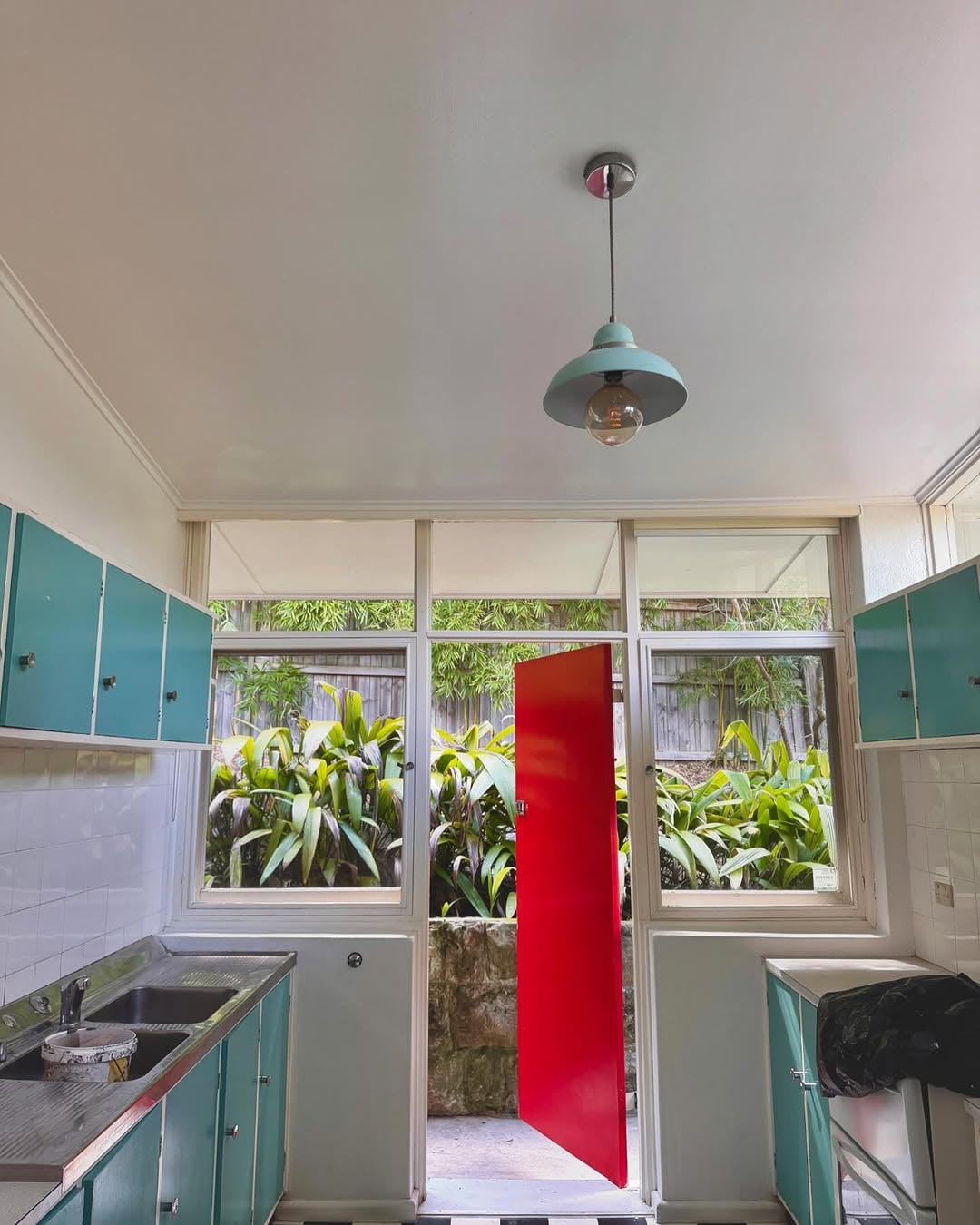
Use sage or olive green as a full-room colour for bedrooms and living areas, or as a feature wall to add depth without overwhelming. In kitchens, green cabinetry has become a popular alternative to the all-white kitchen, adding personality while still feeling fresh and contemporary.
Our picks: Dulux Herbalist, Taubmans Green Smoke, or Dulux Dried Sage for a lighter touch.
Best for: Feature walls, bedrooms, kitchen cabinetry, and bathrooms where a calming mood is desired.
3. Rich terracotta, clay, and ochre
Earthy reds, terracotta, and ochre tones are still gaining ground in 2026, adding a warmth that cooler palettes cannot. They are the colours of red earth, sandstone cliffs, and sun-baked clay, and they suit the relaxed, outdoor-focused way most Australian homes are lived in.
Terracotta and clay work well in dining rooms, living areas, and bedrooms, especially when paired with natural timber flooring, rattan furniture, and woven textiles. They make a room feel enclosed and inviting without being overpowering.
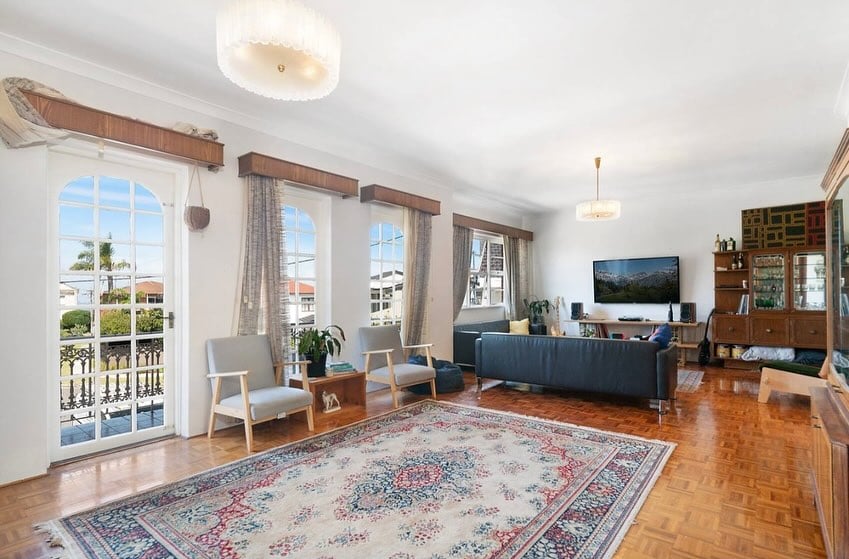
If you are hesitant about committing to a full terracotta room, use these tones on a single feature wall, on interior doors, or on built-in shelving to introduce warmth without dominating the space. In period homes across the Eastern Suburbs, many of which have original hardwood floors and ornate plasterwork, terracotta tones sit comfortably alongside the existing detail.
Our picks: Dulux Tuscan Sunset, Haymes Terracotta, or Dulux Kinetic for a softer clay tone.
Best for: Dining rooms, living rooms, feature walls, and homes with natural timber elements.
4. Deep blues and moody tones
Navy and deep blue remain a timeless choice for creating sophisticated, moody spaces, and in 2026 they are being joined by other deep tones including charcoal, deep teal, and dark forest green. These colours are particularly effective in studies, bedrooms, powder rooms, and any space where you want a sense of intimacy.
Dark colours make rooms feel cocooning and dramatic, which works especially well in smaller spaces like powder rooms and home offices where the effect is intentional rather than claustrophobic. In larger rooms, use dark tones on one or two walls paired with lighter ceiling colours and plenty of natural light to balance the mood.
A key trend for 2026 is running a deep colour through an entire room, ceiling included, for a jewel-box effect. It works particularly well in bedrooms, where a darker room is more restful, and in home offices, where there is less to look at and less to pull your attention away.
Our picks: Dulux Blue Night, Taubmans Midnight Navy, or Dulux Domino for a near-black charcoal.
Best for: Studies, bedrooms, powder rooms, and home offices where intimacy and focus are desired.
5. Soft blush and sophisticated pastels
Soft blush pinks, powder blues, and gentle lavenders are making a refined comeback in 2026, though not the nursery pastels of past decades. The current versions are grown-up and muted, with grey or beige undertones. They work well in bedrooms and bathrooms, where they read as calm rather than cold.
The key to making pastels work in an adult space is to choose muted, desaturated versions and pair them with natural materials like timber, stone, and linen rather than glossy or metallic finishes. A blush-pink bedroom with timber bedside tables and linen bedding, for example, feels entirely different from the same pink with white lacquered furniture.
In bathrooms, soft pastels can turn a functional space into something far more restful, particularly when combined with quality fixtures and natural stone or timber accents.
Our picks: Dulux Pink Gin, Haymes Powder Puff, or Dulux Tranquil Retreat for a soft blue.
Best for: Bedrooms, bathrooms, and any space where a serene, calming atmosphere is the goal.
How to choose your colour palette
Selecting colours for your home can feel overwhelming with so many options available. Here are our recommendations for making confident colour decisions:
Start with one room
Don’t try to overhaul your entire home at once. Choose the room you spend the most time in and get that right first. Once you are happy with the result, you can extend the palette to adjacent spaces.
Consider flow between rooms
Adjacent rooms should complement each other, especially in open-plan layouts where you can see from one space to the next. A cohesive colour scheme doesn’t mean every room needs to be the same colour, but the tones should sit comfortably together. Using different shades from the same colour family or alternating between your wall colour and a complementary accent is a reliable approach.
Test before committing
Sample pots are worth the money. Paint a large swatch, at least A3 size, on the wall and look at it at different times of day. Colours look dramatically different under morning light, midday sun, and evening artificial lighting. In Eastern Suburbs homes that get strong coastal light, colours often appear lighter and more washed out than they do on the colour chart.
Think about existing elements
Your floors, tiles, benchtops, and fixtures are not changing with the paint, so your new colours need to harmonise with them. If you have warm-toned timber floors, lean into warm paint colours. If your kitchen has cool grey stone benchtops, a warm terracotta on the walls may clash. And choosing the right paint finish matters as much as choosing the right colour.
Ask for professional advice
We include colour consultation with every quote. Our team understands how Sydney’s unique light conditions affect colour, and we can help you avoid expensive mistakes. We also carry large colour swatches and fan decks from Dulux and Taubmans so you can compare options in your actual space rather than under fluorescent store lighting.
Frequently asked questions
What are the most popular interior paint colours in Australia in 2026?
Warm neutrals, including greige, warm whites, and sandy beiges, are the dominant trend in Australian homes in 2026. Nature-inspired greens (sage, olive, eucalyptus) remain hugely popular, along with earthy terracotta and clay tones. Deep blues and moody charcoals are trending for studies and bedrooms, and sophisticated pastels are making a comeback in bathrooms and bedrooms.
How do I choose paint colours for my home?
Start with one room and get it right before extending to the rest of the house. Test colours with large sample patches, looked at across the day. Consider your existing floors, tiles, and fixtures, because new paint has to work with whatever is staying. In Sydney’s Eastern Suburbs, strong coastal light tends to wash colours out, so they often appear lighter on the wall than on the colour chart.
What is the best paint colour for an open-plan living area?
Warm neutrals are the safest and most versatile choice for open-plan spaces. Colours like Dulux Warm Neutral or Natural White carry between kitchen, dining, and living zones while working with virtually any furniture style. Avoid cool greys in rooms with strong natural light, as they can feel sterile.
How much does it cost to repaint the interior of a house in Sydney?
Every home is different, so the cost depends on factors like size, surface condition, ceiling height, number of colours, and the quality of products used. The best way to understand what drives the price is to read our guide to what goes into a painting quote. It will help you compare quotes and ask the right questions.
Should I paint the exterior of my home to match the interior colour scheme?
Your exterior and interior don’t need to match, but they should feel cohesive, especially at transition points like the front entrance. For exterior colour advice specific to Sydney’s coastal conditions, see our guide to the benefits of professional exterior painting.
Ready for a colour refresh?
We can help you choose colours that will still look right in a few years, from warm neutrals to bold feature walls to sophisticated pastels. We know how Sydney’s natural light behaves, especially the strong coastal light across the Eastern Suburbs, and how much it changes a colour once it is on the wall.
Get in touch for a free colour consultation and quote. We paint homes across Maroubra, Coogee, Randwick, Bondi, Bronte, Kensington, Kingsford, and the wider Eastern Suburbs.
Related guides
- interior painting services: getting a colour scheme onto the wall properly.
- residential painting across the Eastern Suburbs: houses, terraces, semis and apartments.
- choosing exterior colours near the coast: why salt air changes what lasts outside.