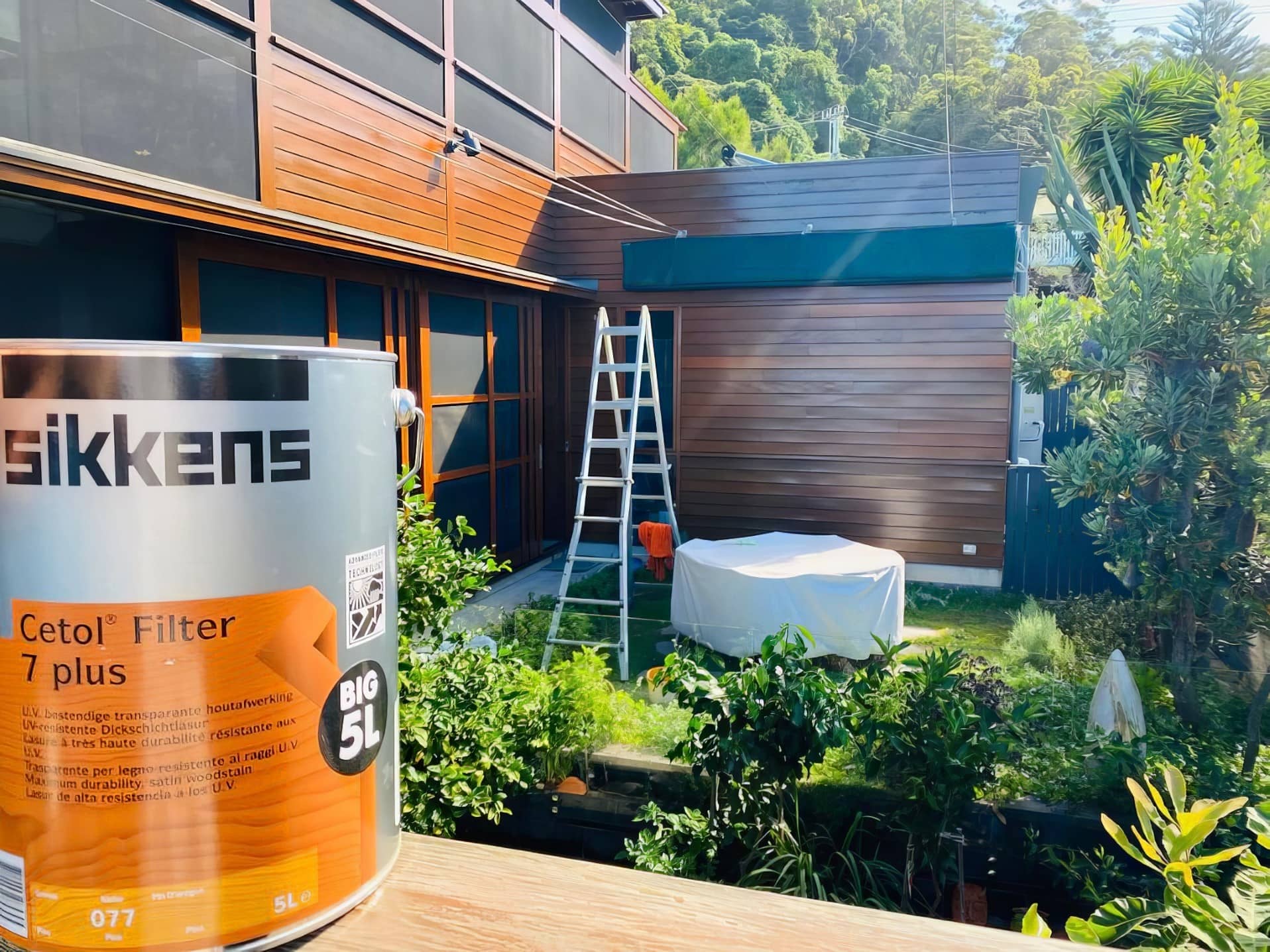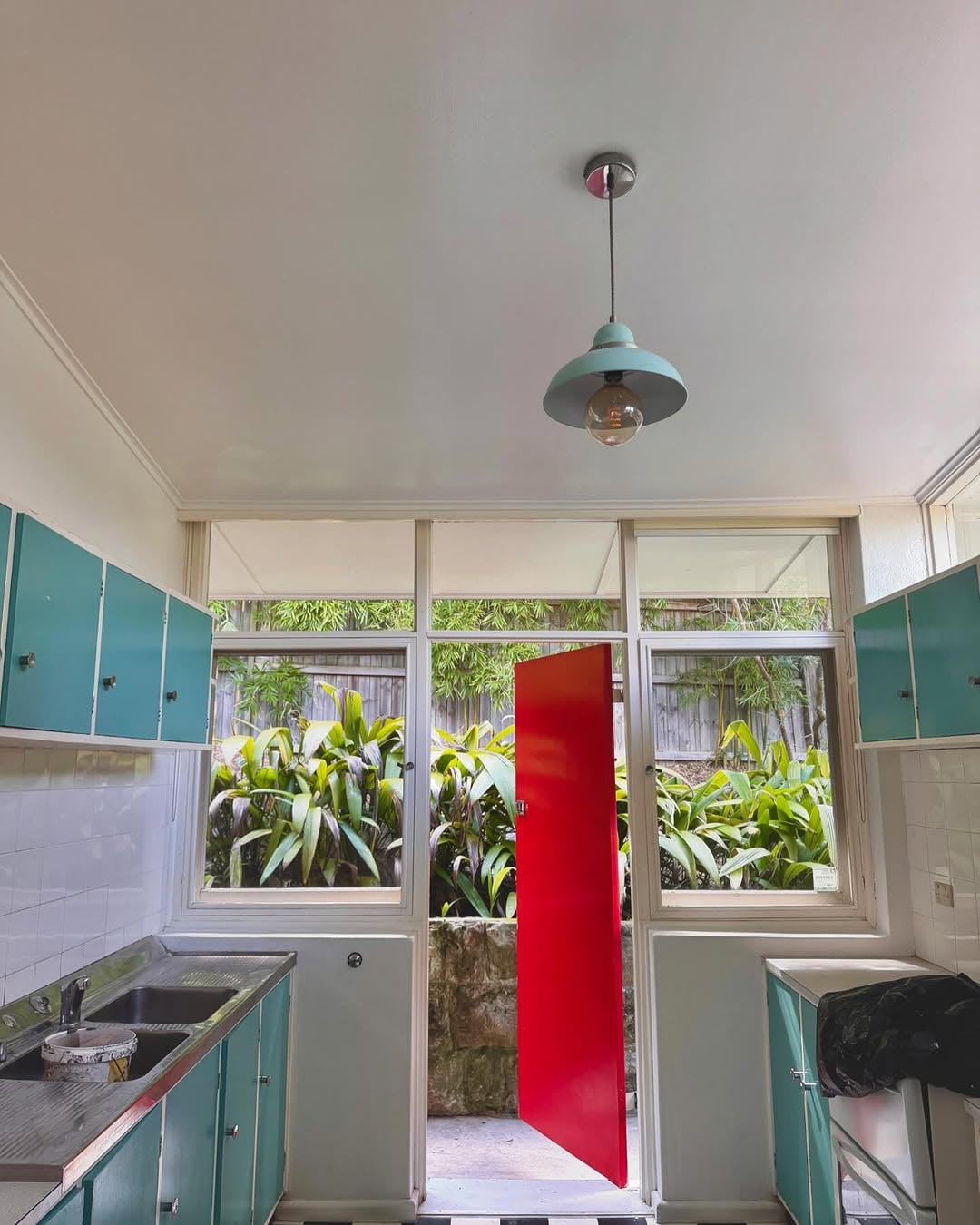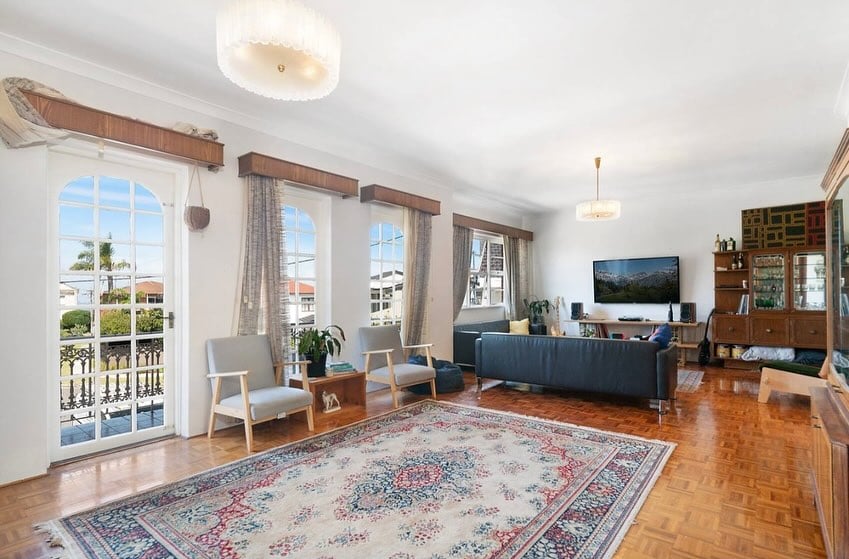
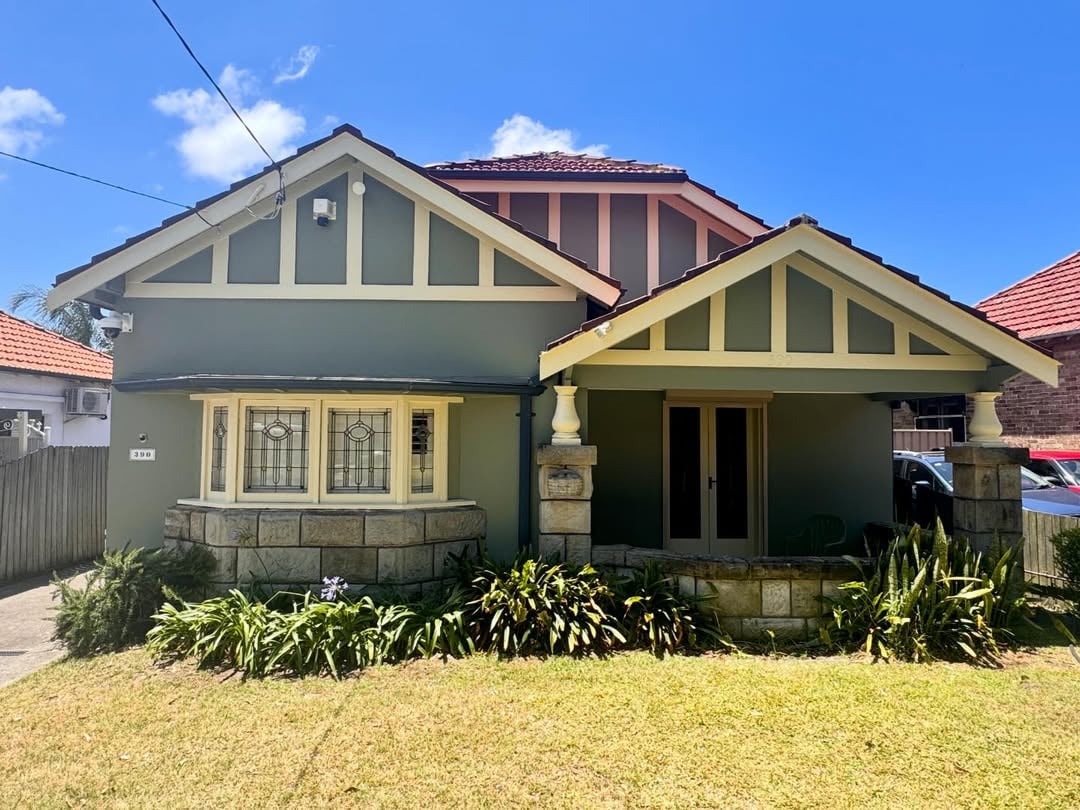
Your home’s exterior is constantly exposed to Sydney’s harsh UV rays, salt air, rain, and temperature fluctuations. Professional exterior painting does more than improve how your home looks. It protects your biggest investment from the elements and adds measurable value to your property.
Heritage bungalow in Randwick, modern coastal home in Coogee, weatherboard cottage in Maroubra: here is why professional exterior painting is worth doing properly.
Why professional exterior painting matters
1. Protection against Sydney’s coastal climate
Sydney’s Eastern Suburbs experience some of the harshest conditions for painted surfaces in Australia. Salt-laden sea breezes blow inland from Coogee, Bronte, and Maroubra beaches, depositing corrosive salt crystals on exterior walls, trims, and metal fixtures. Intense UV exposure, particularly on north and west-facing walls, breaks down paint binders and pigments over time, causing chalking, fading, and eventually cracking. Add heavy rain, humidity, and the occasional hailstorm, and unprotected exterior surfaces deteriorate quickly.
Professional-grade exterior paints are formulated to withstand these specific conditions. Products like Dulux Weathershield and Taubmans All Weather contain UV-resistant pigments, flexible binders that expand and contract with temperature changes, and anti-mould additives that prevent black growth in shaded areas. These paints create a durable, breathable barrier that protects timber, render, brick, and cladding from moisture ingress, salt corrosion, and sun damage. Choosing the right product matters, and so does choosing the right paint finish for your surfaces.
A quality exterior paint system, with proper preparation, priming, and the correct number of coats, will protect your home for seven to ten years or more, compared to three to five years for a rushed or DIY application.
2. Increased property value and kerb appeal
A fresh exterior paint job is consistently ranked as one of the highest-ROI home improvements you can make. Studies from Australian property research firms show that exterior painting delivers returns of 60 to 100 percent of the investment, and in some cases the perceived value increase exceeds the actual cost of the work.
In Sydney’s competitive property market, first impressions at the front gate can shape a buyer’s response before they even step inside, so kerb appeal matters. A well-maintained exterior signals to buyers, agents, and neighbours that the property has been looked after, which builds confidence in the overall condition of the home.
For homeowners preparing to sell, a professional exterior repaint is one of the most cost-effective ways to maximise sale price. Neutral, contemporary colour schemes that photograph well for online listings are particularly effective. We frequently work with real estate agents across the Eastern Suburbs to refresh properties before they hit the market.
3. Early detection of hidden problems
One of the most underappreciated benefits of professional exterior painting is the thorough inspection that comes with it. When our team prepares your home for painting, we inspect every exterior surface closely. We frequently find issues that homeowners are not yet aware of, including:
- Rotting timber in weatherboards, fascias, window frames, and deck boards that needs replacing before it spreads
- Cracked render or mortar joints that allow water ingress into wall cavities
- Mould or mildew growth in shaded areas, under eaves, and on south-facing walls
- Rusting fixtures, gutters, and downpipes that will eventually fail if not treated
- Termite damage visible as soft, hollow-sounding timber or mud trails on surfaces
- Failed caulking around windows, doors, and trim joints that has cracked or pulled away
Catching these problems early, before they escalate into major structural issues, can save thousands of dollars in repair costs. We always let homeowners know if we find anything concerning during our preparation, and we can arrange minor repairs as part of the painting project.
4. Quality that lasts years, not months
The difference between a professional exterior paint job and a DIY attempt comes down to one thing: preparation. We spend as much time preparing surfaces as we do painting them, and often more. That preparation is what determines whether your paint job lasts three years or ten.
Our exterior preparation process includes:
- Pressure washing all surfaces to remove dirt, cobwebs, loose paint, mould, and salt deposits
- Sanding and scraping all flaking, peeling, or bubbling areas back to a stable, sound surface
- Filling cracks, holes, and imperfections with appropriate exterior filler products
- Replacing rotted timber sections where filler alone would not provide a lasting repair
- Priming all bare timber, repaired areas, and any surfaces that require adhesion promotion
- Caulking gaps around windows, doors, trim joints, and where different materials meet
- Masking and protecting landscaping, driveways, windows, fixtures, and any areas not being painted
Only once every surface is clean, dry, sound, and properly primed do we begin applying paint. We use premium exterior products and apply the manufacturer’s recommended number of coats, typically two full coats over a primer, for maximum durability and coverage.
5. Safety and insurance
Exterior painting often involves working at significant height: ladders, scaffolding, elevated work platforms, and sometimes rope access for multi-storey homes. Falls from height are one of the leading causes of serious injury in Australia, and the risks increase sharply on sloping ground, uneven surfaces, or when reaching around architectural features like dormer windows and eaves.
Our team is fully insured, trained in working safely at height, and equipped with all necessary safety gear including harnesses, scaffolding, and stabilised ladder systems. We carry public liability insurance and workers compensation, so you are protected in the unlikely event that something goes wrong. Attempting multi-storey exterior work yourself is simply not worth the risk.
When should you repaint your home’s exterior?
The lifespan of exterior paint depends on the surface type, the quality of the previous paint job, the exposure conditions, and the products used. As a general guide for Eastern Suburbs homes:
- Timber surfaces (weatherboards, fascias, trims): Every 5 to 7 years. Timber expands and contracts with moisture changes, which stresses paint films over time. North and west-facing timber walls may need attention sooner.
- Rendered surfaces (cement render, acrylic render): Every 7 to 10 years. Render is generally more stable than timber but is still vulnerable to cracking and moisture ingress, particularly if the render itself has developed hairline cracks.
- Brick surfaces: Every 10 to 15 years if painted. Alternatively, consider leaving brick unpainted and treating it with a clear waterproof sealer.
- Metal surfaces (gutters, downpipes, handrails, gates): Every 5 to 7 years, or sooner if you notice rust spots developing. Rust should be treated promptly before it spreads.
Warning signs it is time to repaint
Regardless of the timeline above, you should arrange a professional assessment if you notice any of the following:
- Peeling or flaking paint: the paint film has lost adhesion and is no longer protecting the surface beneath
- Chalking: a powdery residue when you rub the surface, which indicates UV degradation of the paint binder
- Cracking or crazing: a network of fine cracks in the paint surface that will let moisture in
- Fading or discolouration: most noticeable on darker colours and north-facing walls
- Mould or mildew growth: black or green patches, especially in shaded areas or near gutters
- Bare or exposed surfaces: any area where timber, render, or metal is visible through the paint
Choosing the right exterior colours
Selecting exterior colours involves balancing personal taste with practical considerations. Here are a few tips from our experience painting homes across the Eastern Suburbs:
- Consider your surroundings: your home sits in a streetscape, and colours that work well in a leafy Randwick street may feel out of place on a Maroubra beachfront
- Check council requirements: heritage overlay areas may have restrictions on exterior colours. If your home is in a heritage conservation area, check with your local council before committing
- Test at scale: exterior colours look very different in full sunlight than they do on a small colour chip. We always recommend painting a test patch on the actual surface and watching it over a few days
- Lighter colours last longer: darker colours absorb more UV radiation and fade faster. If longevity is a priority, lighter tones on large wall areas with darker accents on trims and features is a reliable approach
For more inspiration on colour selection, see our guide to the top colour trends for home interiors in 2026.
Frequently asked questions
How much does it cost to paint the exterior of a house in Sydney?
The cost depends on the size of your home, the condition of the surfaces, the type of cladding, whether scaffolding is needed, and the products used. Every home is different, so the only way to get an accurate price is with an on-site inspection. To understand what factors drive the quote and how to compare painters fairly, see our guide to house painting costs in Sydney.
How often should you repaint the exterior of your house in Sydney?
For most Eastern Suburbs homes, timber surfaces need repainting every 5 to 7 years, rendered surfaces every 7 to 10 years, and brick every 10 to 15 years. Homes closer to the coast, in suburbs like Coogee, Bronte, and Maroubra, may need attention sooner due to salt air exposure. Look for warning signs like peeling, chalking, cracking, or visible mould growth.
What is the best exterior paint for Sydney’s coastal climate?
Premium exterior products like Dulux Weathershield and Taubmans All Weather are specifically formulated for harsh Australian conditions. They contain UV-resistant pigments, flexible binders, and anti-mould additives that outperform budget paints significantly, lasting 7 to 10 years compared to 3 to 5 years for cheaper alternatives.
Can you paint the exterior of a house in winter in Sydney?
Yes, exterior painting is possible through most of Sydney’s winter as long as conditions are dry and temperatures are above 10°C. Winter can be a good time to book, because demand is lower and scheduling is often faster. We work around rain days and make sure surfaces are dry before painting.
Get a free exterior painting quote
We have painted hundreds of home exteriors across Maroubra, Coogee, Randwick, Bondi, Bronte, Kensington, Kingsford, and the wider Eastern Suburbs. We understand the local climate, know which products perform best in coastal conditions, and can advise on colours that will suit your home and streetscape.
Request a free quote. We will inspect your property, assess the condition of existing surfaces, and give an honest recommendation on what work is needed and what it will cost. No obligation, no pressure.
Related guides
- best exterior paint for salt air: substrate by substrate, and how often to repaint within a kilometre of the beach.
- exterior painting in the Eastern Suburbs: weatherboard, render, brick and fibro, prepared for coastal exposure.
- do painters need a licence in NSW: what to check before you let anyone near your house.